Analgesics and NSAIDs
Analgesics, also called painkillers, are medications that relieve different types of pain — from headaches to injuries to arthritis. Anti-inflammatory analgesics reduce inflammation, and opioid analg…
Side effects
Analgesics
Analgesics, also called painkillers, are medications that relieve different types of pain — from headaches to injuries to arthritis. Anti-inflammatory analgesics reduce inflammation, and opioid analgesics change the way the brain perceives pain. Some analgesics can be bought over the counter, others require a prescription.
What are analgesics?
Analgesics are medications that relieve pain. Unlike medications used for anesthesia during surgery, analgesics don’t turn off nerves, change the ability to sense your surroundings or alter consciousness. They are sometimes called painkillers or pain relievers.
What are analgesics used for?
Analgesics are used to relieve pain and inflammation. For example:
- After surgery.
- Due to injury, such as a fractured bone.
- For acute (sudden, short-term) pain, such as a twisted ankle or headache.
- For aches and pains like menstrual cramps or muscle soreness.
- For chronic painful conditions such as arthritis, cancer or back pain.
What are non-steroidal anti-inflammatory drugs (NSAIDs)?
When your back hurts, head aches, arthritis acts up or you’re feeling feverish, chances are you’ll be reaching for an NSAID (non-steroidal anti-inflammatory drug) for relief.
These drugs are common pain and fever relievers. Every day millions of people choose an NSAID to help them relieve headache, body aches, swelling, stiffness and fever.
You can get non-prescription strength, over-the-counter NSAIDs in drug stores and supermarkets, where you can also buy less expensive generic (not brand name) aspirin, ibuprofen and naproxen sodium.
What do you use NSAIDs for?
NSAIDs are used to treat:
- Pain of rheumatoid arthritis (RA), osteoarthritis and tendonitis.
- Muscle aches.
- Backaches.
- Dental pain.
- Pain caused by gout.
- Bursitis.
- Menstrual cramps.
Analgesics are a class of medications designed specifically to relieve pain. They include acetaminophen (Tylenol), which is available over the counter (OTC) or by prescription when combined with another drug, and opioids (narcotics), which are only available by prescription.
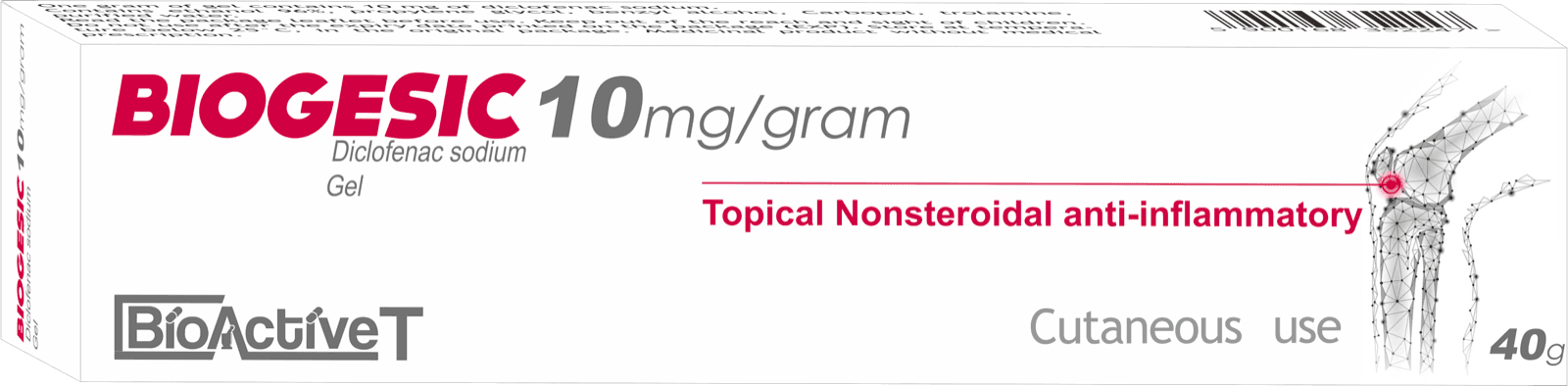
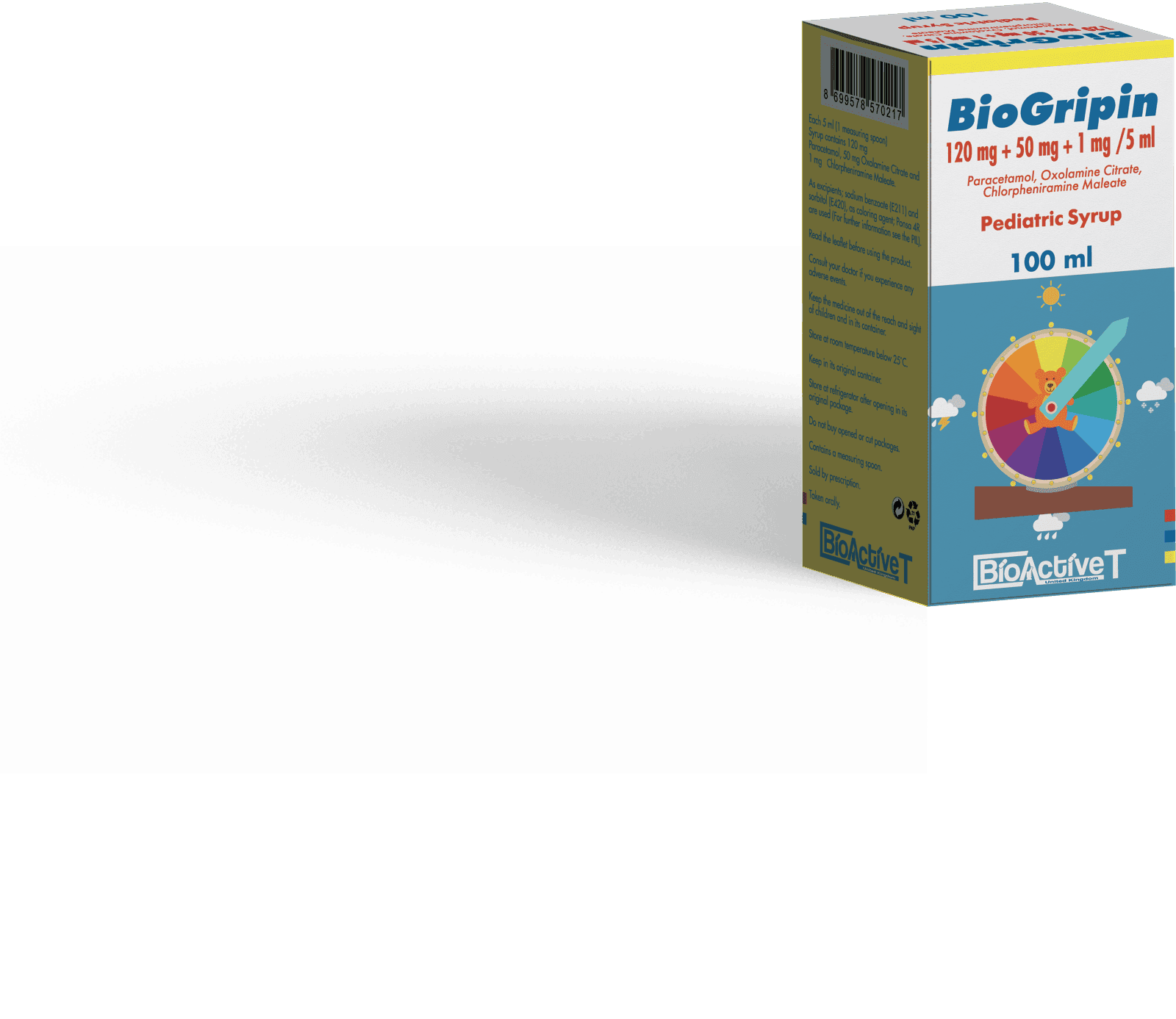
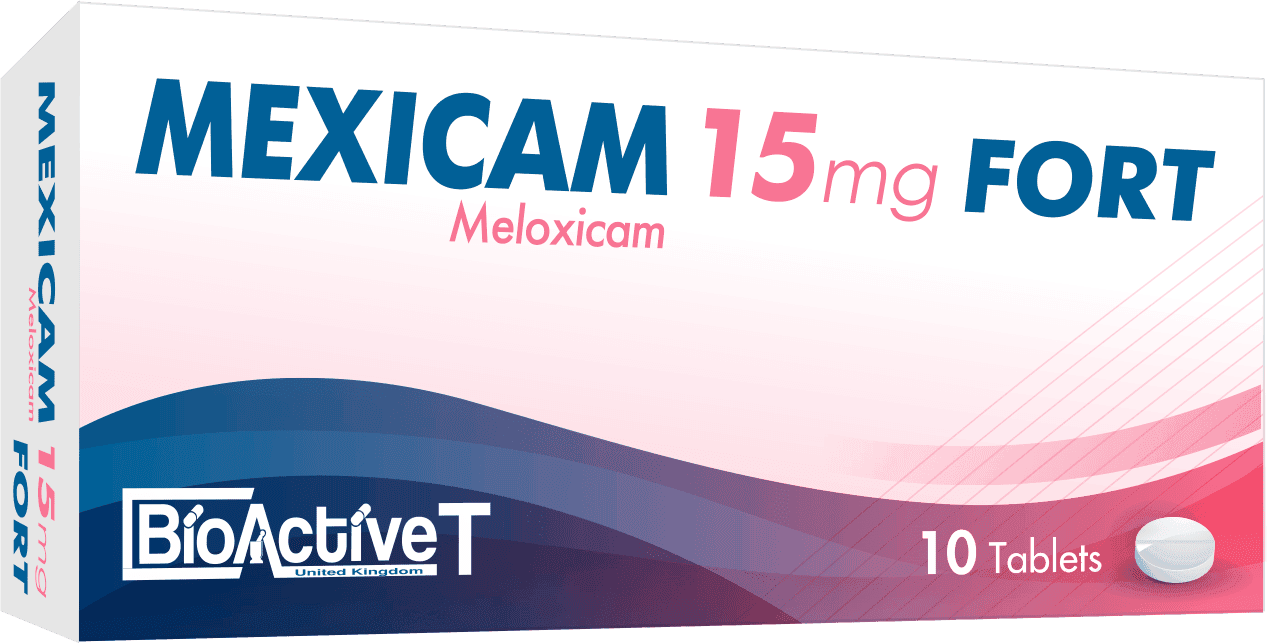
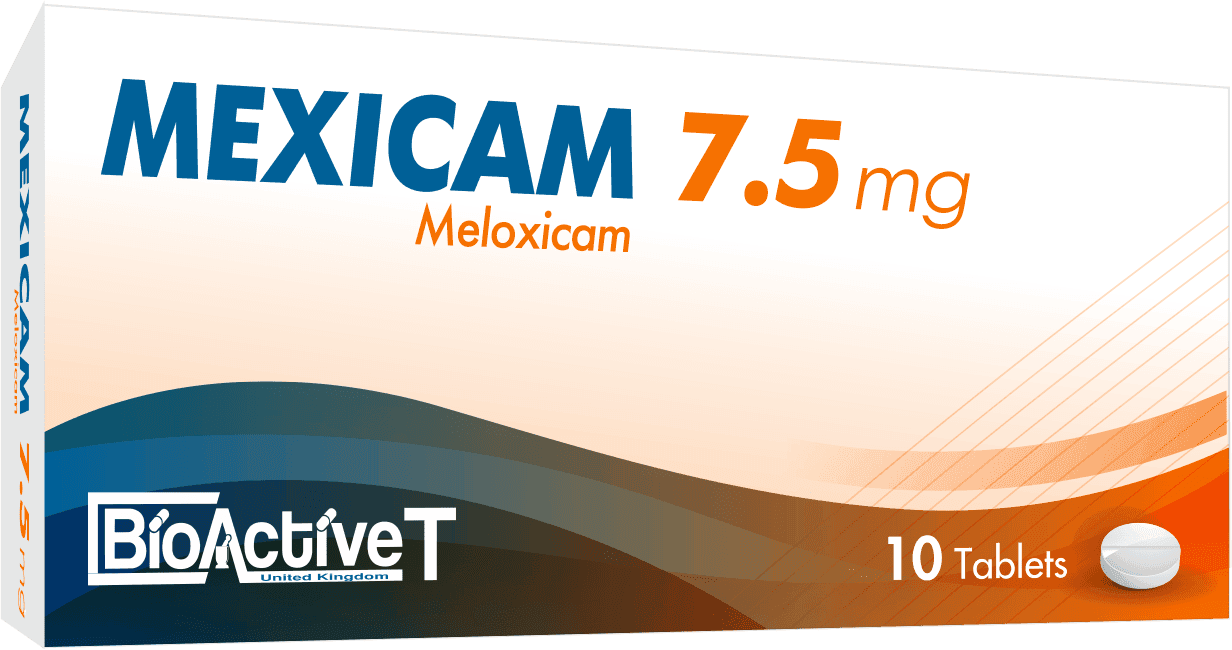
View our available products of Analgesics and NSAIDs below.
When should I get medical attention for painkiller side effects?
Seek prompt medical attention if you are on pain medication and experience:
- Allergic reactions like a rash or swelling anywhere on the body.
- Black bowel movements (also called poop or stools).
- Blood or something that looks like coffee grounds in vomit.
- Changes in vision or hearing.
- Severe stomach pain or headache.
- Trouble urinating, or pee that is cloudy or discolored.
- Yellowish skin or eyes (jaundice).
- Unusual weight gain.
A note from BioActiveT
Analgesics are medications that treat your pain by reducing inflammation or changing the way your brain understands pain. Many types of analgesics are available, and they range from pills and liquids, to gels and patches you apply to your body. Some are available over the counter, and some require a prescription from your healthcare provider. Your provider can help you figure out the type of medication that's most effective for your type of pain.
This article is for general education. It is not medical advice. Talk to a doctor or pharmacist about your specific situation.
Related BioActiveT products
Products from our range in Analgesics & NSAIDs.