Cardiovascular Care
Your heart and many blood vessels in your body make up your cardiovascular system or circulatory system. Your heart uses the far-reaching, intricate network of blood vessels to deliver oxygen and oth…
What is the cardiovascular system?
Your heart and many blood vessels in your body make up your cardiovascular system or circulatory system. Your heart uses the far-reaching, intricate network of blood vessels to deliver oxygen and other necessary things to your whole body. This network also removes the things your body doesn’t need and takes them to organs that can get rid of the waste. Your blood carries oxygen, nutrients, and waste through your entire body.
What does the cardiovascular system do?
The function of the cardiovascular system is to make sure your body gets the oxygen, nutrients and other things it needs and gets rid of things it doesn’t.
Day and night, even while you’re asleep, your heart moves blood through your body. This is why your healthcare provider can hear your heartbeat. It’s the sound of your heart doing its job. Your heart circulates about 2,000 gallons of blood every day.
Some blood vessels (veins) bring blood to your heart, while others (arteries) carry blood away from your heart. Your blood vessels also take away waste (like carbon dioxide) from your cells.
Blood always follows the same route through your heart. Valves along the route make sure the blood is going the right way.
######
Two important circulation processes
######
Pulmonary circulation
Blood without oxygen comes into the right side of your heart and is sent to the lungs to get oxygen and get rid of carbon dioxide. Then the oxygenated blood comes back through the left side of your heart.
Systemic circulation
Blood that has just gotten oxygen from the lungs and returned through your heart’s left side is pushed out to the rest of your body’s cells so they can receive oxygen and nutrients. The cycle starts again when blood without oxygen goes to the right side of your heart.
How does the cardiovascular system help with other organs?
The cardiovascular system (your heart and blood vessels) supplies your body’s organs with oxygen and nutrients so your organs can do their jobs. Your blood vessels also carry carbon dioxide and other waste away for disposal.
Your cardiovascular system also helps your body:
- Get what it needs during exercise, as well as during rest.
- Keep your temperature at a normal level.
What do blood pressure medications treat?
Blood pressure medications treat high blood pressure, or hypertension, with the goal of keeping your heart strong and preventing heart failure, a heart attack, kidney failure or a stroke. High blood pressure makes your heart’s job more difficult and more demanding. Bringing your blood pressure down makes it easier for your heart to keep pumping blood to your essential organs and cells 24 hours a day.
What is the most popular medication for high blood pressure?
Healthcare providers have several “first-line” or first-choice blood pressure medications they prescribe. They include:
- Thiazide
- ACE inhibitors.
- Calcium channel blockers.
Types of blood pressure medication
- Adrenergic blockers (including alpha, beta, alpha-beta and peripherally acting blockers)
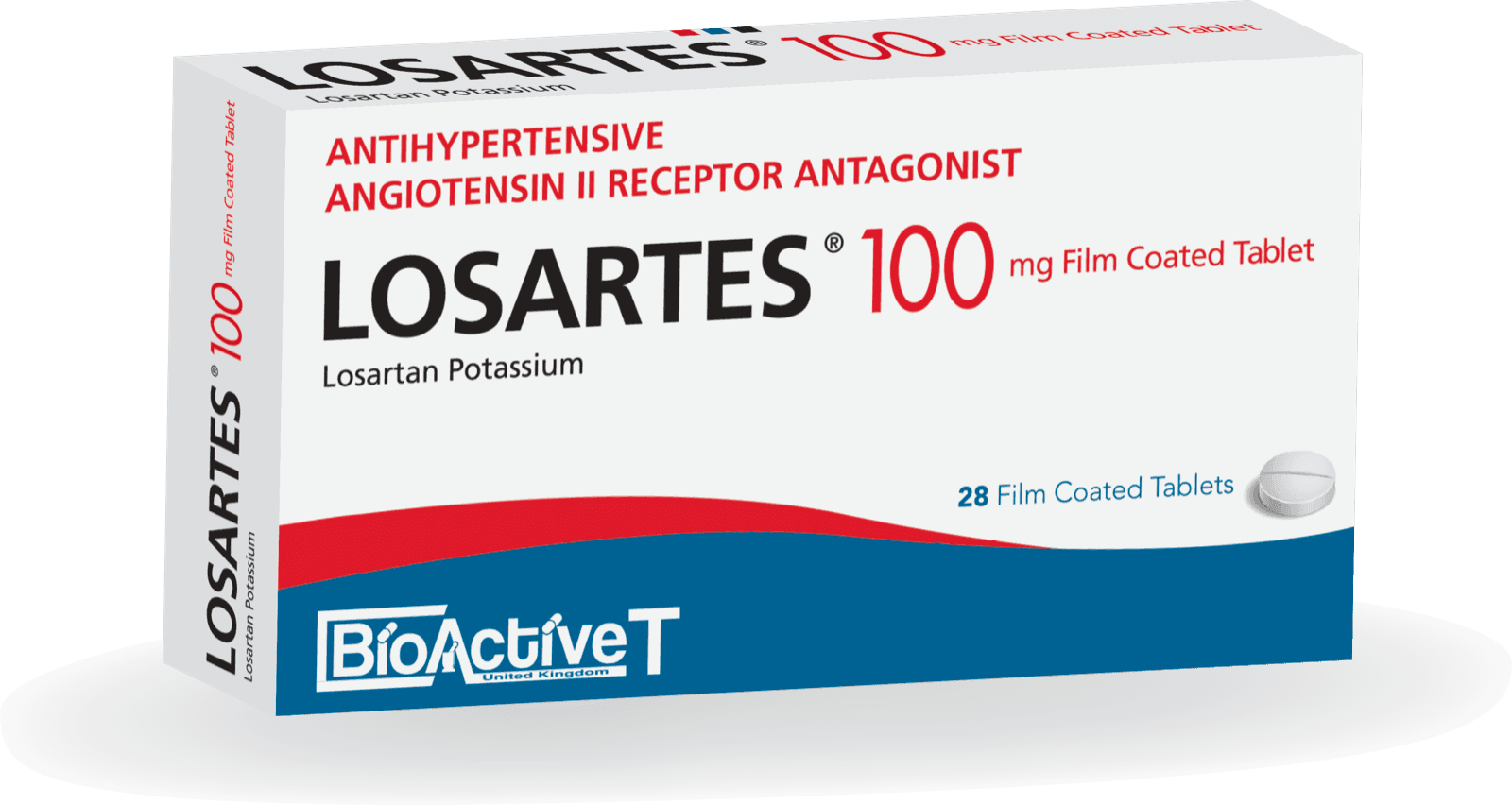
- Angiotensin II receptor blockers (ARBs)
- Calcium channel blockers (including dihydropyridines and nondihydropyridines)
- Centrally acting alpha-agonists
- Direct vasodilators
- Diuretics (including potassium-sparing, loop, thiazide and thiazide-type diuretics)
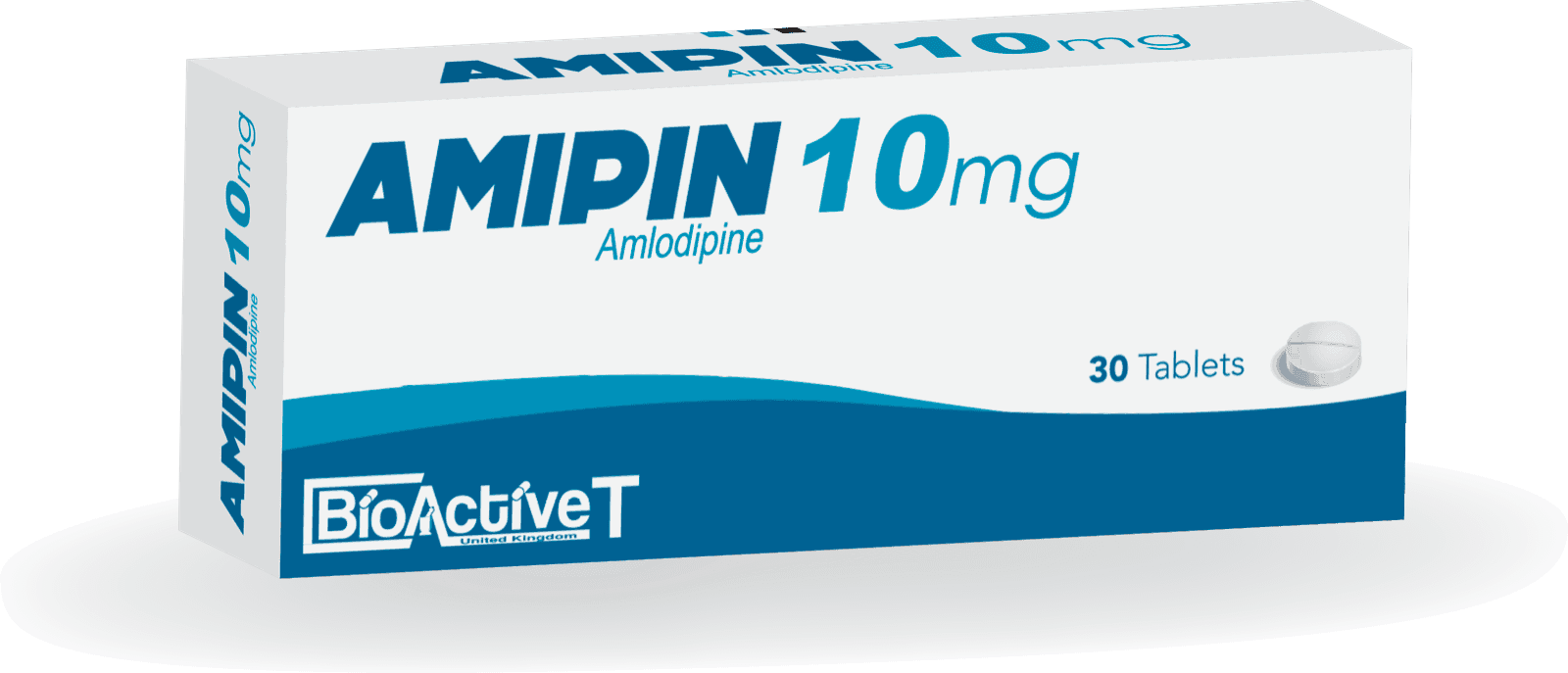
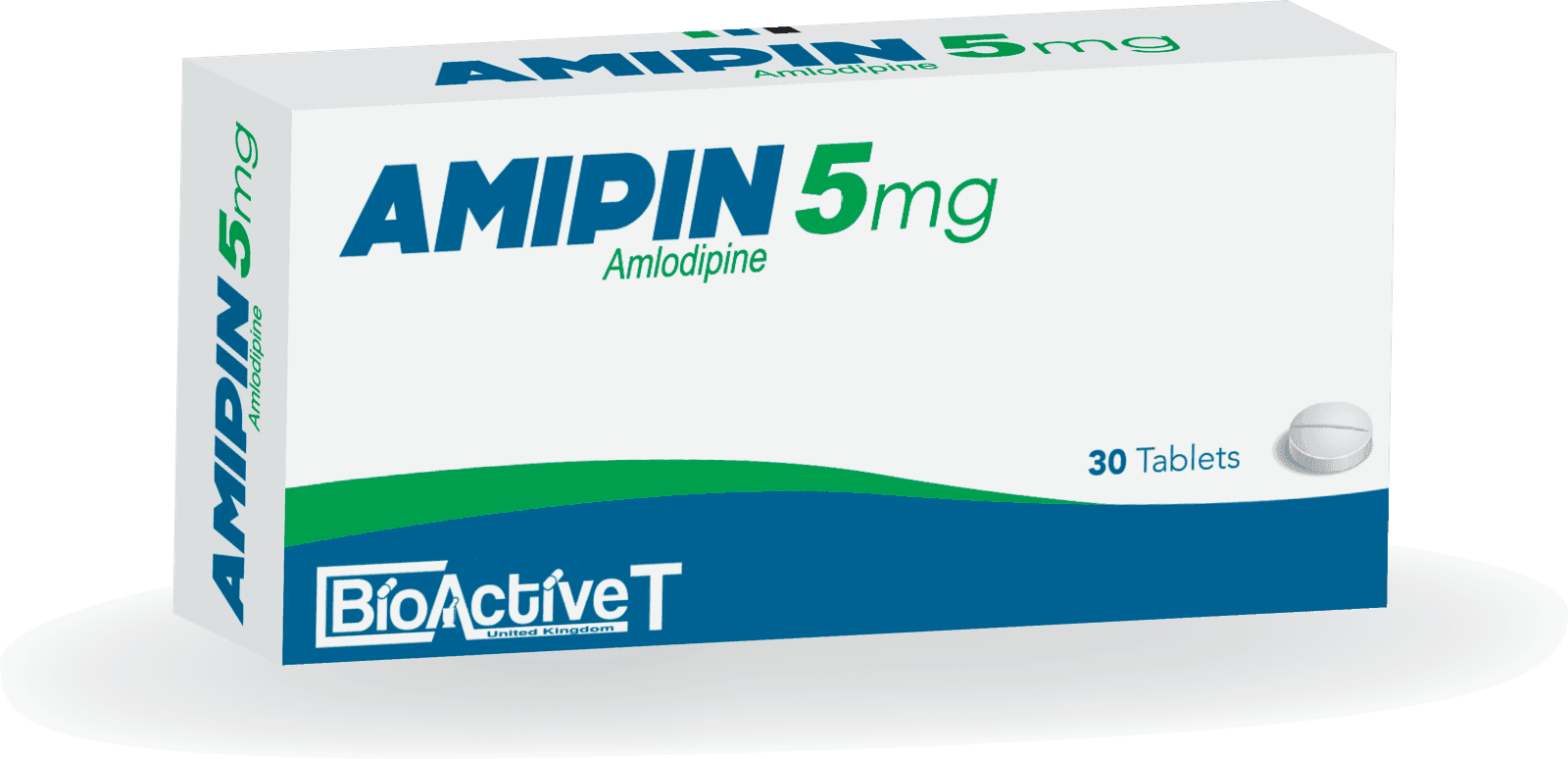
View our available antihypertensive products below.
What can I do to help my cardiovascular system function well?
You can help keep your heart and blood vessels healthy in a number of ways, including:
- Exercising regularly.
- Controlling high blood pressure.
- Controlling high cholesterol.
- Quitting smoking and using tobacco products.
- Eating heart-healthy foods.
- Staying at a healthy weight.
- Keeping your blood sugar at a normal level.
What is aerobic exercise?
Aerobic exercise provides cardiovascular conditioning. The term aerobic actually means "with oxygen," which means that breathing controls the amount of oxygen that can make it to the muscles to help them burn fuel and move.
Benefits of aerobic exercise:
- Improves cardiovascular conditioning.
- Decreases risk of heart disease.
- Lowers blood pressure.
- Increases HDL or "good" cholesterol.
- Helps to better control blood sugar.
- Assists in weight management and/or weight loss.
- Improves lung function.
- Decreases resting heart rate.
Exercise safety
It is recommended that you talk with your physician before you start an exercise program. Ask what, if any, limitations you may have. People who suffer from diabetes, hypertension, heart disease, arthritis, pulmonary conditions, or other health conditions may need additional safety guidelines for exercise.
Note: If you develop symptoms during exercise including, but not limited to, unusual shortness of breath; tightness in the chest; chest, shoulder, or jaw pain; lightheadedness; dizziness; confusion; or joint pain, you should stop exercising immediately and contact your physician.
What are some examples of aerobic exercise?
Lower impact aerobic exercise includes:
- Swimming.
- Cycling.
- Using an elliptical trainer.
- Walking.
- Rowing.
- Using an upper body ergometer (a piece of equipment that provides a cardiovascular workout that targets the upper body only).
Higher impact aerobic exercise includes:
- Running.
- Jumping rope.
- Performing high impact routines or step aerobics.
How can I keep my heart healthy?
If you have a condition that affects your heart, follow your healthcare provider’s treatment plan. It’s important to take medications as prescribed.
You can also make lifestyle changes to keep your heart healthy. You may:
- Achieve and maintain a healthy weight for your sex and age.
- Drink alcohol in moderation.
- Eat a heart-healthy diet with plenty of fruits, vegetables and whole grains.
- Exercise moderately for at least 150 minutes per week.
- Limit your sodium intake.
- Manage your stress with healthy strategies like meditation or journaling.
- Quit smoking and/or using tobacco products and avoid secondhand smoke.
This article is for general education. It is not medical advice. Talk to a doctor or pharmacist about your specific situation.
Related BioActiveT products
Products from our range in Cardiovascular Care.