Fertlity
Fertility preservation protects your reproductive tissues so you can have a child in the future. People choose this treatment due to cancer and other health conditions, age and transgender care. Many…
Fertility care
Fertility Preservation
Fertility preservation protects your reproductive tissues so you can have a child in the future. People choose this treatment due to cancer and other health conditions, age and transgender care. Many people have healthy babies after fertility preservation treatment.
What is fertility preservation?
Fertility preservation saves and protects your embryos, eggs, sperm and reproductive tissues. This helps make it possible for you to have a child sometime in the future. It’s an option for adults and even some children of both sexes. Fertility preservation is common in people whose fertility is compromised due to health conditions or diseases (medically-indicated preservation) or when someone wishes to delay having children for personal reasons (elective preservation). Personal reasons you may want to delay childbirth could involve finding the right partner/spouse or wanting to wait until you’re more established in your career.
######
Why is fertility preservation done?
Your future fertility may be at risk if you have certain diseases and conditions. This could be due to the condition itself or to the surgery or medication used to treat the condition. People who wish to delay having children until their late 30s or 40s may choose to preserve their fertility because studies show aging affects fertility.
You may want to preserve your fertility if you wish to have children and are affected by any of the following:
- Age: If you’re waiting to have children, you may consider preserving your eggs or sperm before fertility declines. Common reasons people delay having children include desires to reach a certain career goal, further their education or wanting to meet the right partner.
- Cancer: Chemotherapy, radiation therapy and surgery for cancer can affect a person’s fertility.
- Autoimmune diseases: Diseases such as lupus and rheumatoid arthritis and their treatments may cause fertility problems.
- Reproductive health conditions: Endometriosis and uterine fibroids can make it more difficult to become pregnant.
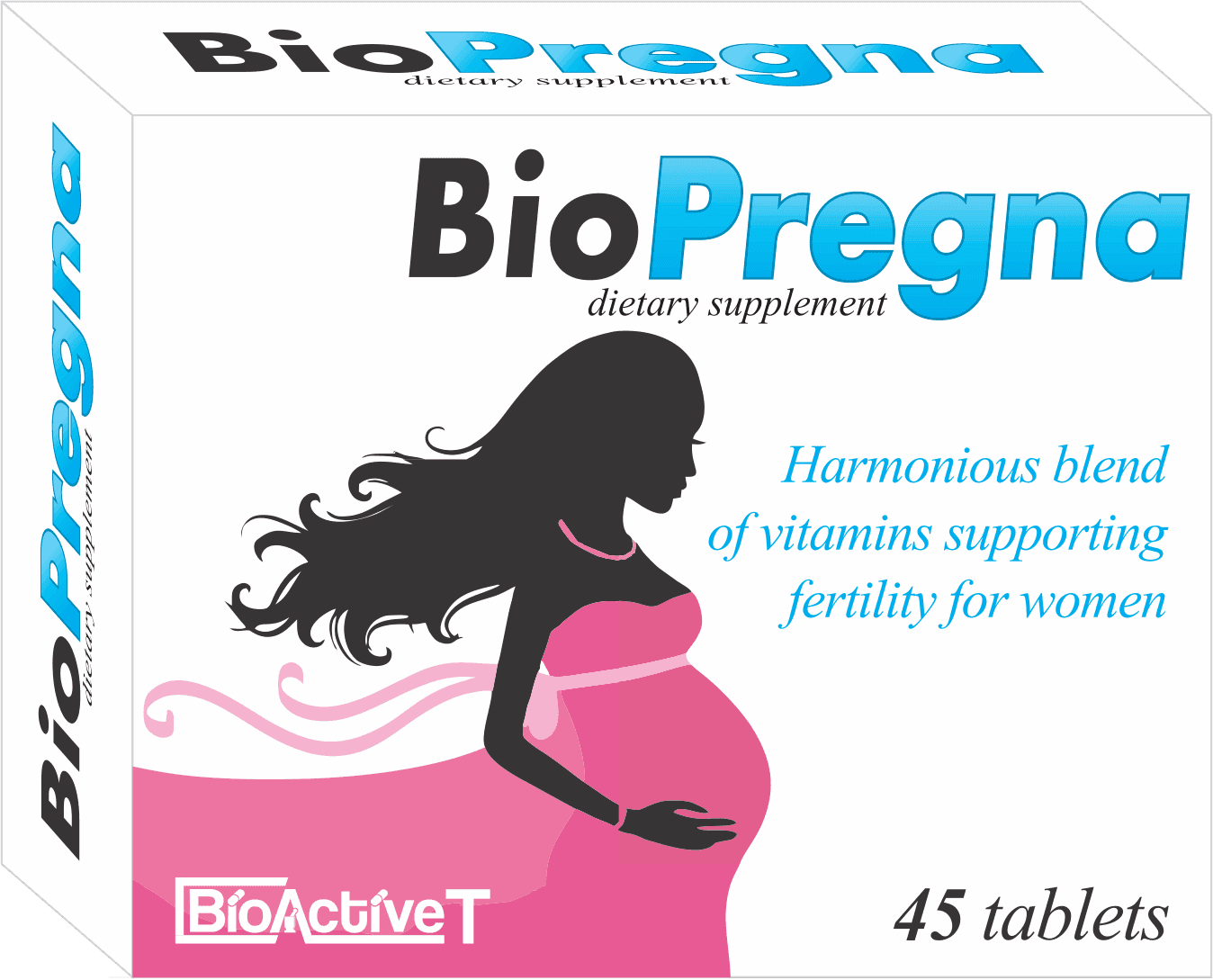
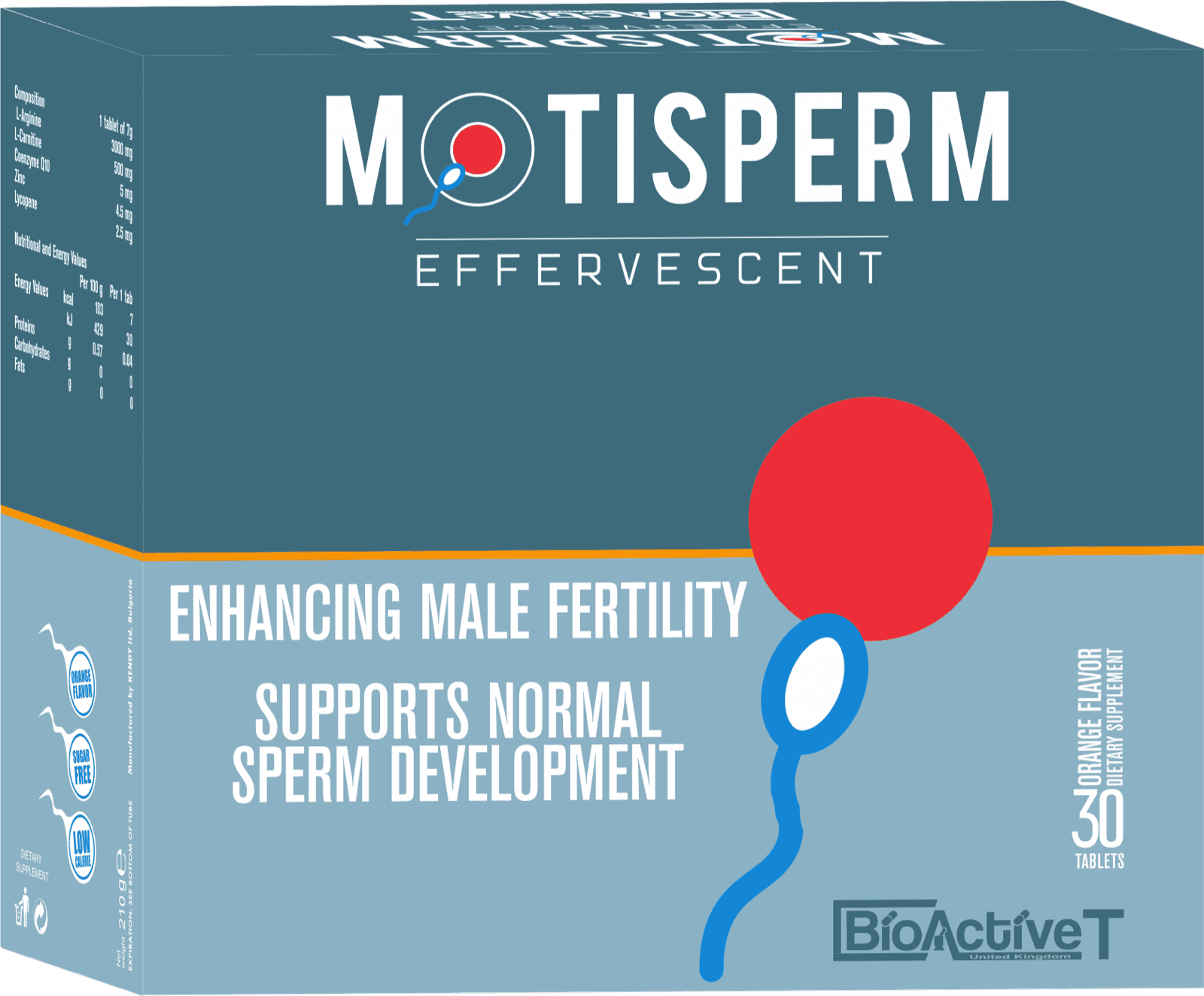
View our available products of Fertility-care below.
Quick tips for increasing fertility naturally
- Taking an antioxidant supplement or eating antioxidant-rich foods can improve fertility rates, especially among men with infertility.
- Some studies suggest that eating more calories at breakfast and fewer at your evening meal can improve fertility.
- To boost fertility levels, avoid foods high in trans fats. Eat foods rich in healthy fats instead, such as extra virgin olive oil.
- Eating a diet high in refined carbs may raise insulin levels, which may increase the risk of infertility and make it harder to get pregnant.
- Eating more protein from vegetable sources, instead of animal sources, may improve fertility levels in women.
- Replacing low fat dairy products with high fat versions may help improve fertility and increase your chances of getting pregnant.
- Taking a multivitamin may help boost fertility if you’re not getting all the nutrients you need from your diet.
- A sedentary lifestyle is linked to infertility, and exercise can improve fertility. However, exercising too much can have the opposite effect.
- High stress and anxiety levels can reduce your chances of conception. Managing your stress level can increase your chances of becoming pregnant.
- Being either underweight or overweight can reduce your chances of becoming pregnant.
This article is for general education. It is not medical advice. Talk to a doctor or pharmacist about your specific situation.
Related BioActiveT products
Products from our range in Fertility.