Intimate Care
Many women experience uncomfortable, vaginal infections (vaginitis) at one time or another. The area around the entrance to the vagina (vulva) can also become irritated. Steps can be taken to relieve…
At-home Care
Why is vulvar and vagina care important?
Many women experience uncomfortable, vaginal infections (vaginitis) at one time or another. The area around the entrance to the vagina (vulva) can also become irritated. Steps can be taken to relieve and prevent vulvar discomfort and vaginal infections.
Not all vaginal infections are alike and home treatments can worsen some types. If you have any concerns about your vulvar or vaginal health, or notice unusual changes in vaginal discharge, contact your healthcare provider if the problem persists.
What is the vulva?
The vulva is the area of female sex organs that lies outside of the vagina. These organs include folds of sensitive tissue called the labia (labia means "lips"). The labia has two parts. The outermost folds are called the labia majora. A second set of folds, called the labia minora, is enclosed within the labia majora. The vulva also contains the mounded area made by the pubic bone (mons pubis), a small, round organ (clitoris), and the openings of the vagina and urinary canal (urethra).
Causes of vulvar pain
Common causes of vulvar pain
Vulvodynia is chronic vulvar pain, burning, or other irritation that lasts at least three months. Vulvodynia is idiopathic, meaning there’s no clear cause. Symptoms can be unprovoked or provoked by touch.
Cyclic vulvodynia, or cyclic vulvitis, tends to change according to where you are in your menstrual cycle. The pain may get worse around your period, especially when you try to insert a tampon. In some cases, pain improves during the period.
Although the exact cause of vulvodynia isn’t known, these may be contributing factors:
- previous vaginal infections
- allergies and skin sensitivities
- injury to the nerves around the vulvar
- hormonal changes
- pelvic floor weakness
- certain genetic disorders
Vulvodynia is estimated to affect up to 16 percentTrusted Source of women.
Yeast infection
About 75 percent of women will have at least one vaginal yeast infection in their lifetime. It’s caused by an overgrowth of yeast. Some potential causes are:
- hormonal changes due to pregnancy or oral contraceptives
- antibiotics or topical antimicrobial agents
- douches or harsh feminine hygiene products
- wearing tight or poorly ventilated underwear or clothing
- unmanaged diabetes
It can hurt when you urinate, during intercourse, or when you try to insert a tampon. It can also involve a thick, white discharge.
Bacterial infection
A bacterial infection, or bacterial vaginosis, develops when your pH is out of balance. This can happen when you change sexual partners or if you douche. It can also cause foul-smelling discharge and burning during urination.
Folliculitis
Folliculitis is when small red bumps develop from infected hair follicles. It tends to occur on the outer labia.
Bartholin’s gland cyst
A Bartholin’s gland cyst can form on either side of the vagina when a gland becomes blocked. A painful cyst usually indicates infection.
Trichomoniasis
Trichomoniasis is a common sexually transmitted infection (STI) caused by a parasite. Symptoms can include abnormal discharge with a strong odor, painful urination, and pain with intercourse or tampon use. In some cases, there’s also lower abdominal pain.
Vaginismus
Vaginismus is a painful involuntary spasm around the muscles of the vagina. This may happen during sexual intercourse, during a vaginal exam, or when you try to use a tampon. Some potential contributing factors are anxiety or a history of sexual abuse or trauma.
Vulvar cancer
Vulvar cancer is rare and slow-growingTrusted Source. Some risk factors may include having:
- vulvar intraepithelial neoplasia
- human papillomavirus (HPV) infection
- history of genital warts
Vulvar cancer can cause other symptoms such as:
- itching
- bleeding, even outside of your period
- changes to skin color or thickness
- lumps, bumps, or ulcers
Chronic pain conditions
In 2012, researchers foundTrusted Source that those who have vulvodynia are more likely to have a one or more other chronic pain conditions such as:
- fibromyalgia
- interstitial cystitis
- irritable bowel syndrome
Medical treatment
Treatment for pain during your period depends on the cause.
For vulvodynia
Your doctor can treat vulvodynia with local anesthetics or hormone creams that can be applied directly to the skin. In some cases, antidepressants or antiseizure drugs can help ease symptoms.
For yeast infections
Yeast infections are treated with antifungal medications. Many are available over-the-counter (OTC) in the form of creams, tablets, and suppositories.
If you’ve never had a diagnosed yeast infection, see your doctor before trying OTC medications. Antifungals won’t work on other causes of vulvar pain.
For bacterial infections
Antibiotics are generally used to treat bacterial infections.
Both types of infection can and should be treated during your period. If you’re using vaginal creams or suppositories for a yeast infection, tampons can make the medication less effective, so you should switch to pads.
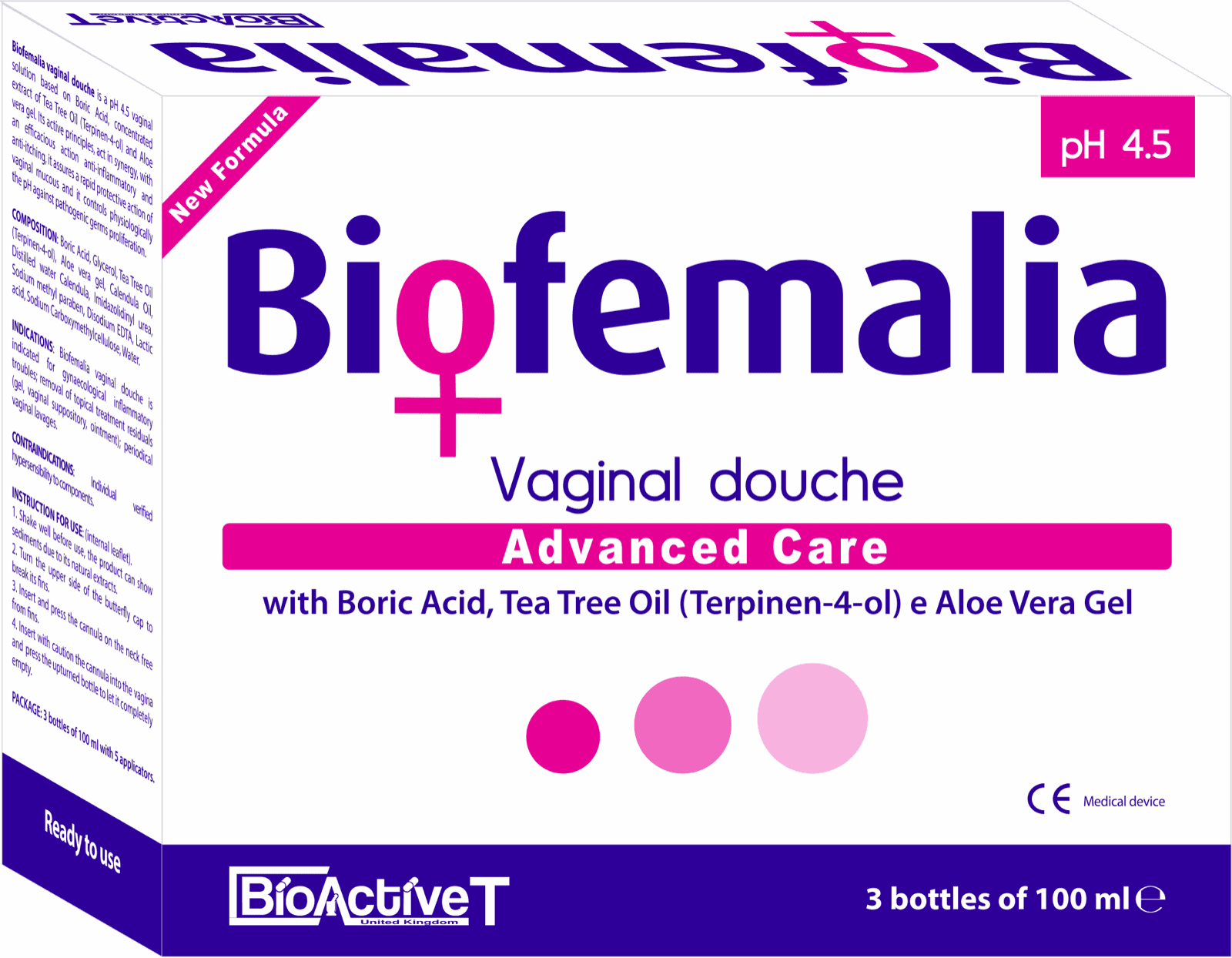
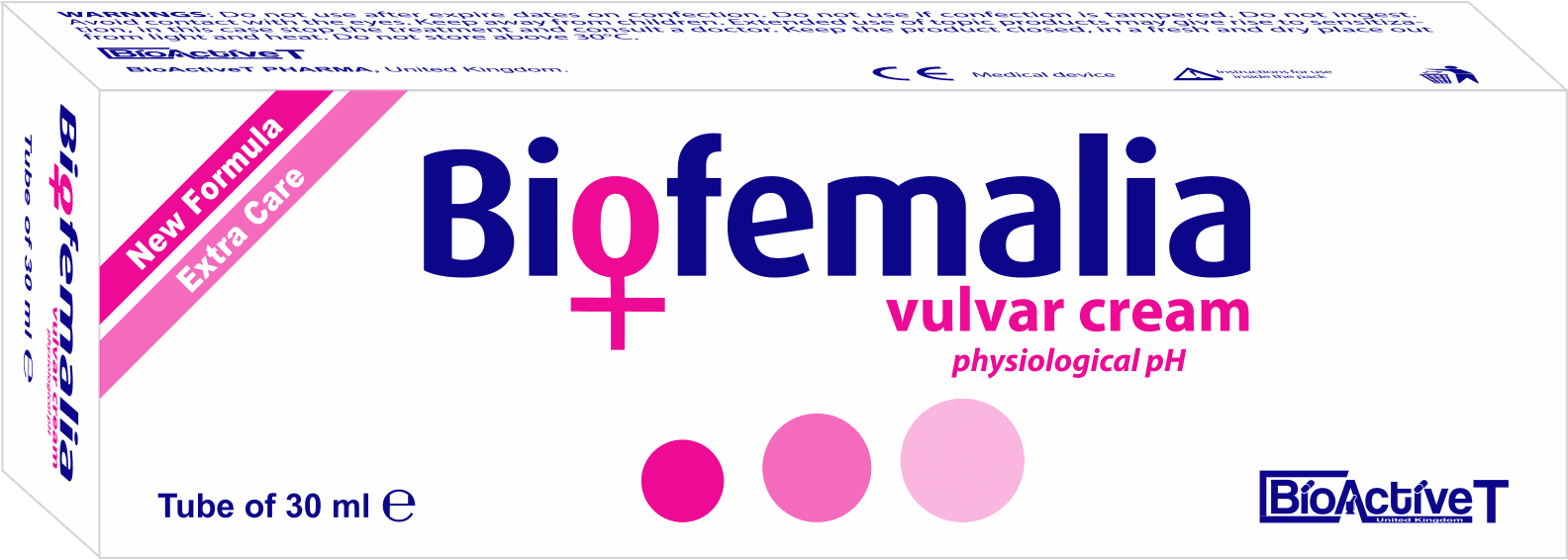
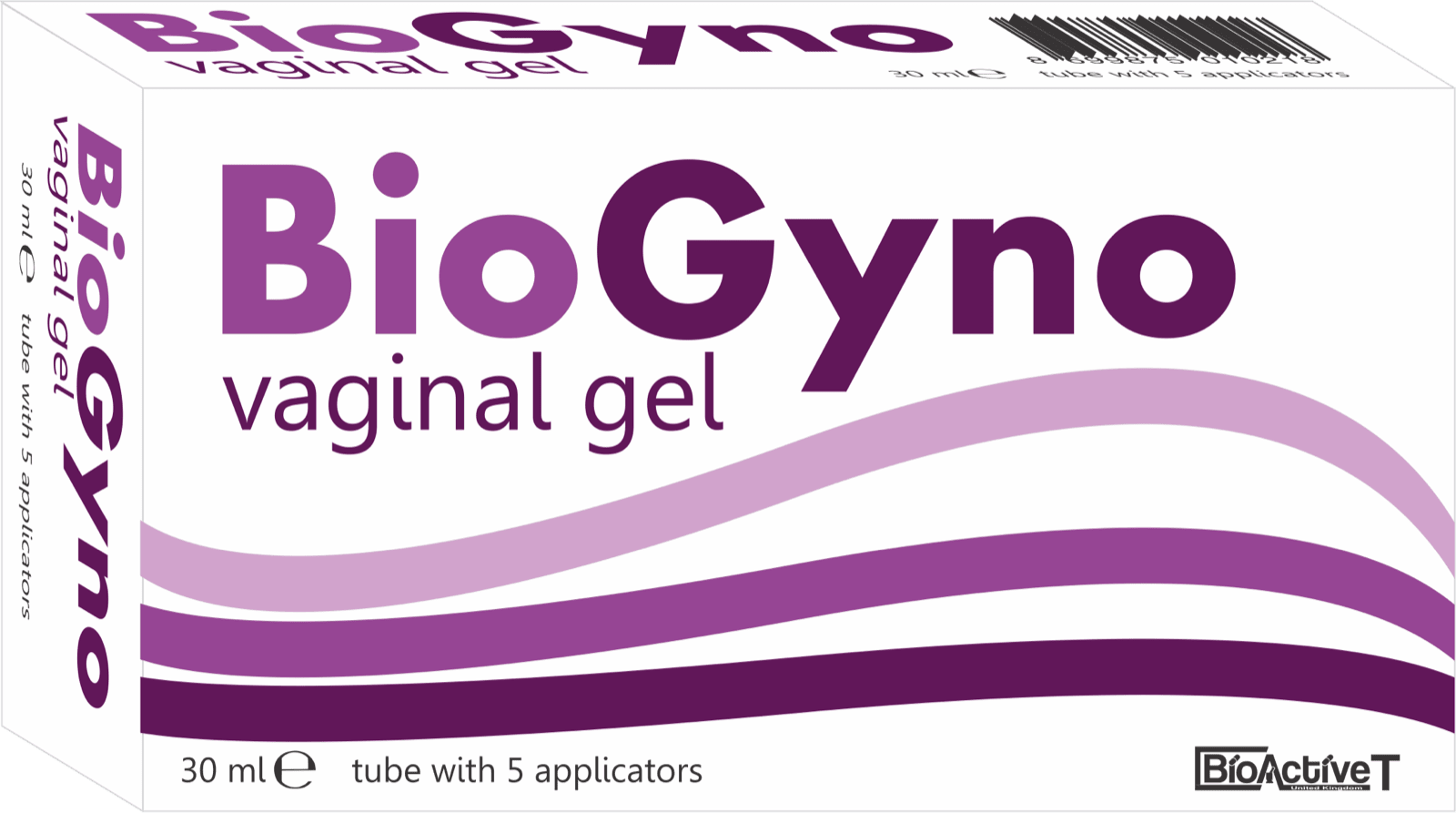
View our available products of Intimate-care below.
What are some tips for vulvar care?
- Use warm water to wash the vulva. Dry thoroughly with a clean towel. (If the vulva is very irritated, you can try drying it with a blow dryer set on cool.)
- The vagina cleanses itself naturally in the form of normal, vaginal discharge. Avoid using douches unless prescribed by your physician. These products can upset the natural balance of organisms.
- Wear only white, 100 percent cotton underwear. Avoid wearing nylon, acetate, or other manmade fibers if you have delicate skin or are prone to vulvar irritation.
- Avoid wearing thongs.
- Rinse underclothes carefully after washing or double-rinse. Avoid using too much laundry detergent.
- Wash new underclothes before wearing.
- Use a mild soap (such as Woolite®) for washing underclothes. Avoid fabric softeners (including dryer sheets) and detergents with enzymes (amylase, lipase, protease and cellulose).
- Use soft toilet tissue (white only).
- Use tampons instead of sanitary napkins to control menstrual bleeding. (Do not use deodorant tampons.) Do not leave tampons in for a long period, due to toxic shock syndrome. Do not leave tampons in all night.
- Take sitz baths daily, if prescribed by your healthcare provider.
- Don't scratch.
- Avoid wearing nylon pantyhose or panty girdles. They trap heat and moisture, providing an ideal breeding environment for organisms. When nylons or leggings are required, wear cotton or nylons with a cotton panty.
- Avoid these feminine hygiene products, which can irritate the vulva: sanitary pads, feminine spray and deodorants, scented oils, bubble baths, bath oils, talc or powder.
Home remedies
If you have vulvar pain during your period, try switching from tampons or menstrual cups to pads to see if that helps. If you already use pads, switch brands to see if you have a sensitivity to a specific product.
Here are some other tips for dealing with vulvar pain:
- Make sure your underwear is loose and has a breathable, cotton crotch.
- Avoid tight pants or shorts.
- Use a cold compress or a cool gel pack to lessen pain and itching.
- Avoid activities like cycling or horseback riding that put pressure on the vulva, particularly if you’re extra sensitive during your period.
- Don’t use hot baths or hot tubs, which can make matters worse. Instead, soak in a sitz bath. You can do this for 5 to 10 minutes several times a day, even if you’re menstruating.
- Don’t use douches, genital deodorants, or perfumed feminine hygiene products.
- Don’t use irritating shampoos or soaps.
- Wash your genital area with plain water. Gently pat dry.
- After your shower, you can apply plain petroleum jelly or other emollient with no preservatives. Be sure to only use these on outer areas.
- You can use a lubricant prior to having sex, but stay away from products that contain harsh ingredients such as alcohol or flavorings. Don’t use products that are designed to get warmer or cooler.
This article is for general education. It is not medical advice. Talk to a doctor or pharmacist about your specific situation.
Related BioActiveT products
Products from our range in Intimate Care.