Pregnancy and Breastfeeding
Pregnancy occurs when a sperm fertilizes an egg after it’s released from the ovary during ovulation. The fertilized egg then travels down into the uterus, where implantation occurs. A successful impl…
Take-home message
Pregnancy
Pregnancy occurs when a sperm fertilizes an egg after it’s released from the ovary during ovulation. The fertilized egg then travels down into the uterus, where implantation occurs. A successful implantation results in pregnancy.
On average, a full-term pregnancy lasts 40 weeks. There are many factors that can affect a pregnancy. Women who receive an early pregnancy diagnosis and prenatal care are more likely to experience a healthy pregnancy and give birth to a healthy baby.
Knowing what to expect during the full pregnancy term is important for monitoring both your health and the health of the baby. If you’d like to prevent pregnancy, there are also effective forms of birth control you should keep in mind.
What are the benefits of breastfeeding?
Breastfeeding has both short- and long-term health benefits for the mother and infant. For the baby, these benefits include:
- Reduced infections. There’s a correlation between babies who are breastfed and having fewer childhood infections, such as ear, respiratory, and infections as well as fewer colds.
- Better immunity against viruses and bacteria. Breast milk contains immunoglobulins, or antibodies, from the mother. These proteins help strengthen the infant’s immune system so it can defend itself.
- Reduced risk of sudden infant death syndrome (SIDS). Breastfed babies have a lower risk for SIDS, both in the first month and first year of the baby’s life.
- A healthier weight. Children who are breastfed may have a lower rate of childhood obesity compared to formula-fed babies.
- Lower risk of diabetes. Breastfeeding reduces a child’s risk for both type 1 and type 2 diabetes.
- Satisfying changing nutritional needs. Babies require different levels of nutrients at the various phases of year one. A mother’s milk supply will naturally change with the baby’s needs.
The benefits of breastfeeding aren’t for baby alone. Breastfeeding mothers may experience some benefits from breastfeeding as well. These benefits include:
- Improved recovery. Breastfeeding releases higher levels of oxytocin. This hormone can help improve uterine contractions That will also help the uterus return to its prepregnancy size.
- Losing pregnancy weight faster. Those who breastfeed exclusively may lose more weight postpartum than those who don’t breastfeed.
- Reduced risk of depression. Mothers may also reduce their risk for postpartum depression by breastfeeding their infants.
- Lower risk of some cancers. The longer a mother spends breastfeeding, the lower their risk for breast and ovarian cancers.
- Lower rates of some medical conditions. Research shows those who breastfeed for one to two years during their lifetime also have a 10 to 50 percent lower risk of certain conditions, including type 2 diabetes, heart disease, high cholesterol and triglycerides, arthritis, and high blood pressure.
How to develop a breastfeeding relationship with baby?
Before your baby is born, your body will begin producing breast milk. It’s preparing you for the infant’s arrival and the nourishment you’ll need to give them right away.
Your first feeding may be within a few hours of childbirth. That first breast milk is called colostrum. It’s a thick, yellow, sticky substance that’s rich in nutrients. It helps prime your baby’s gastrointestinal system for future feedings.
A few short days after giving birth, your body will begin producing a different type of breast milk. This milk is also very rich in nutrients and will fully sustain your infant for its first months.
Breastfeeding is a bonding exercise. You’ll learn your baby’s hunger cues and they’ll learn to respond to your body.
Of course, you’ll spend a lot of time together. Expect to feed your baby 8 to 12 times per day for the first few months.
In addition to providing nourishment for your child, skin-to-skin contact experienced through breastfeeding is a wonderful way to boost your mother-baby bond.
When to seek medical care whilst pregnant?
Most women in their 20s or early 30s have a good chance of a problem-free pregnancy. Teens and women over the age of 35 are at a higher risk for health complications.
Underlying conditions
Underlying health conditions such as high blood pressure, diabetes, or cardiovascular disease will increase your risk of pregnancy complications. Other examples include:
- cancer
- kidney disease
- epilepsy
If you have one of these conditions, ensure that it’s properly monitored and treated throughout your pregnancy. Otherwise, it can lead to miscarriage, poor fetal growth, and birth defects.
Other risk factors
Other factors that can affect an otherwise healthy pregnancy include:
- multiple-birth pregnancies, such as twins or triplets
- infections, including STDs
- being overweight or obese
- anemia
Pregnancy complications
Pregnancy complications can involve the baby’s health, the mother’s health, or both. They can occur during pregnancy or delivery.
Common pregnancy complications include:
- high blood pressure
- gestational diabetes
- preeclampsia
- preterm labor
- miscarriage
Addressing them early can minimize the harms done to the mother or the baby. Know your options when it comes to treating pregnancy complications.
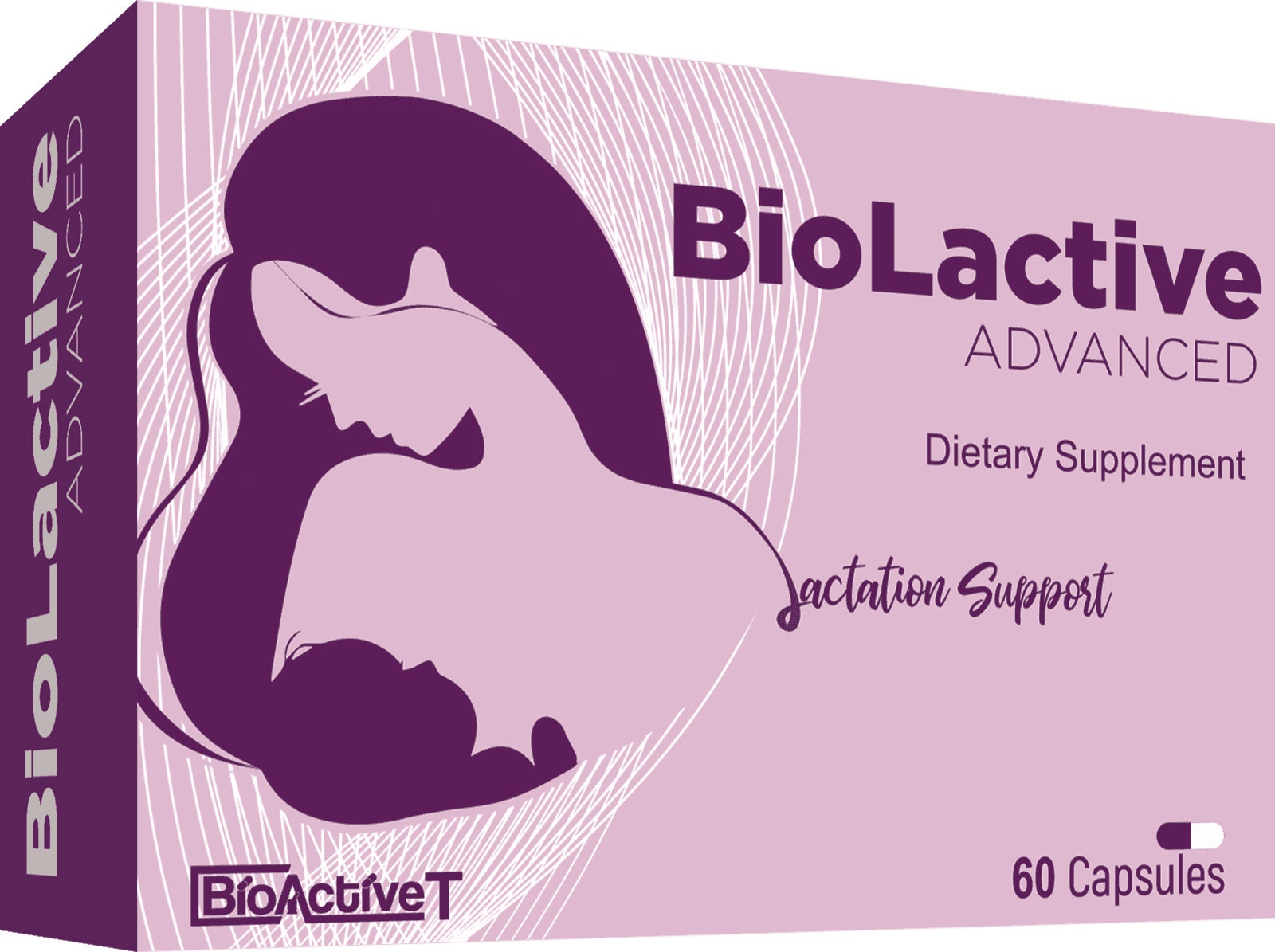
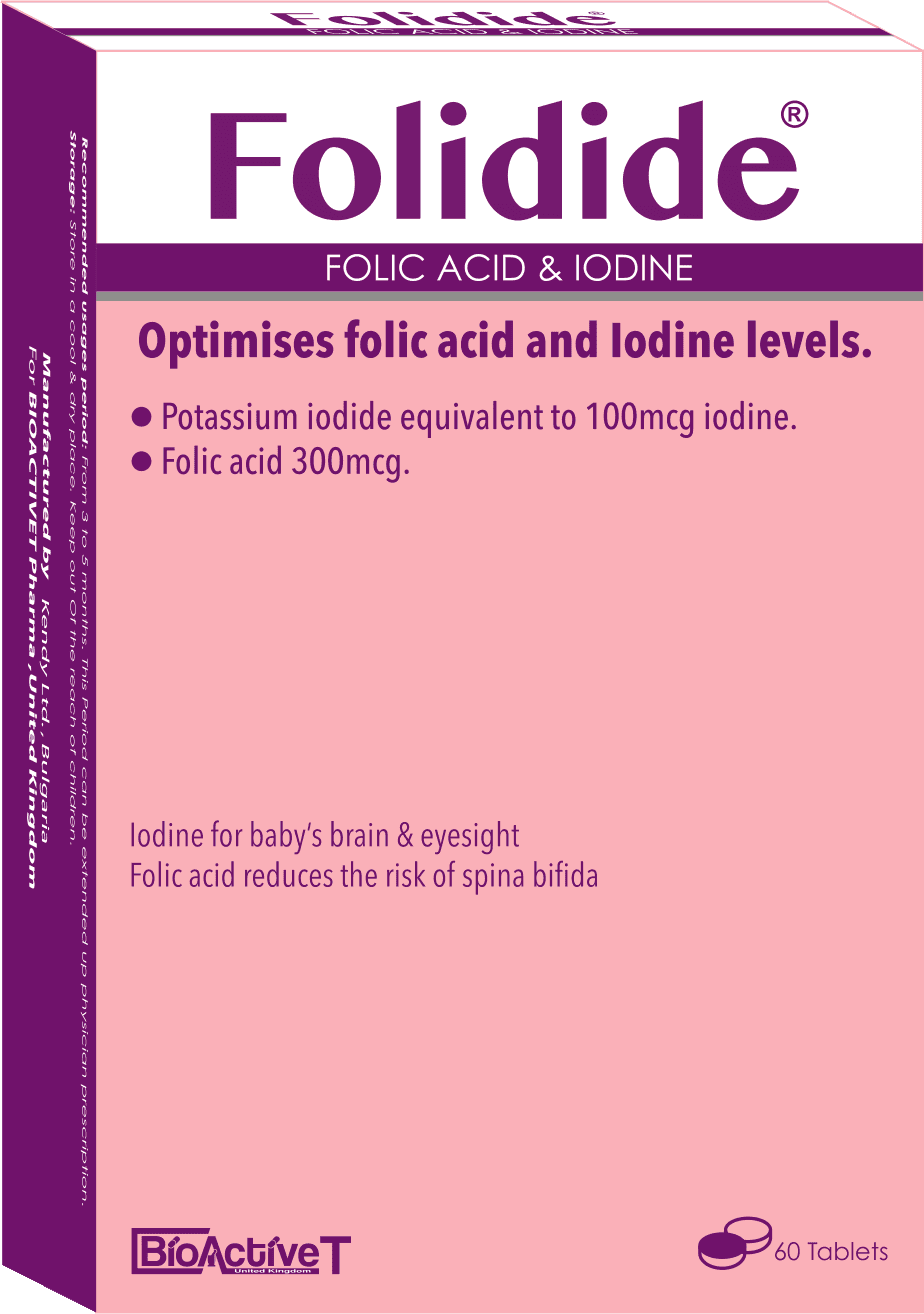
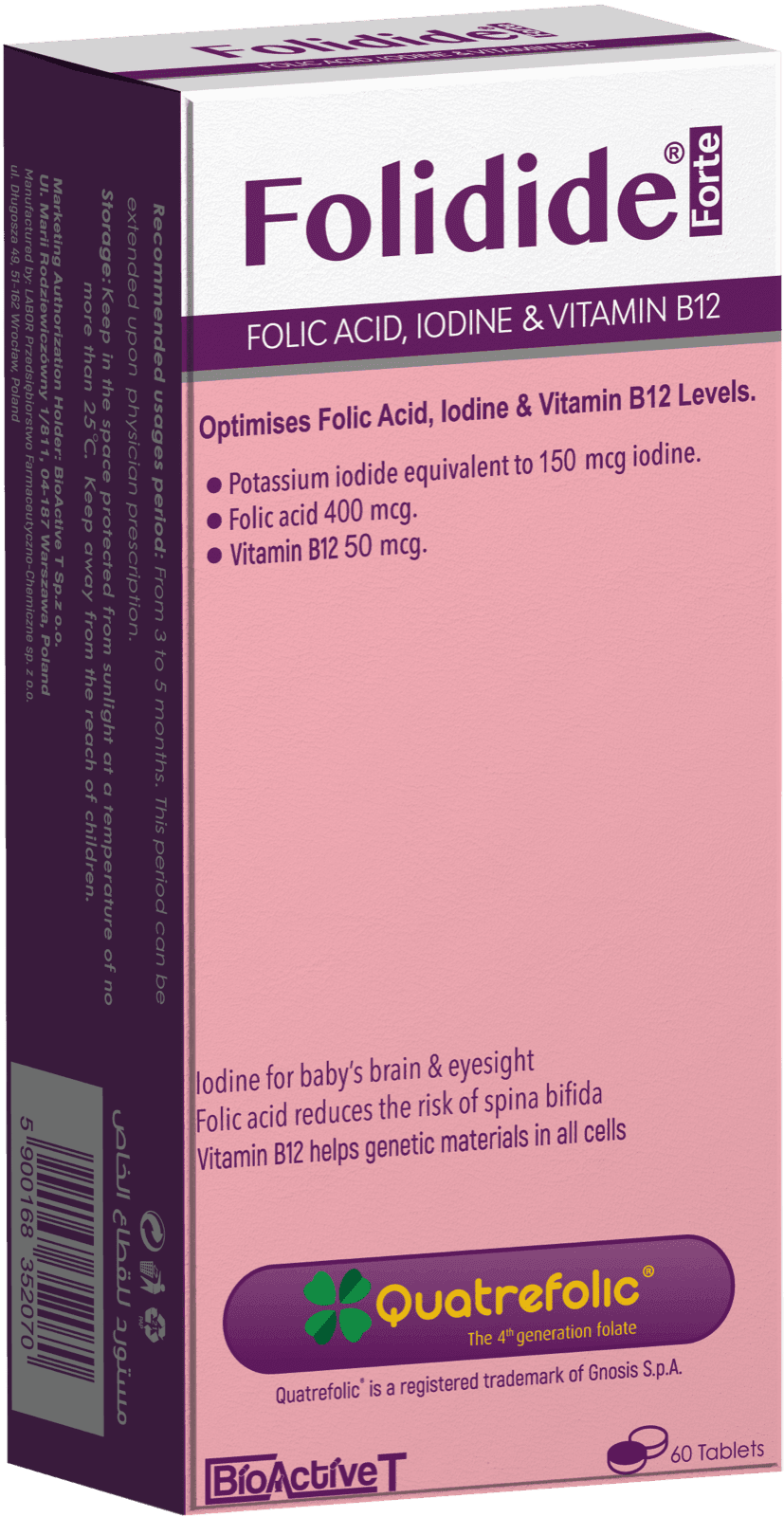
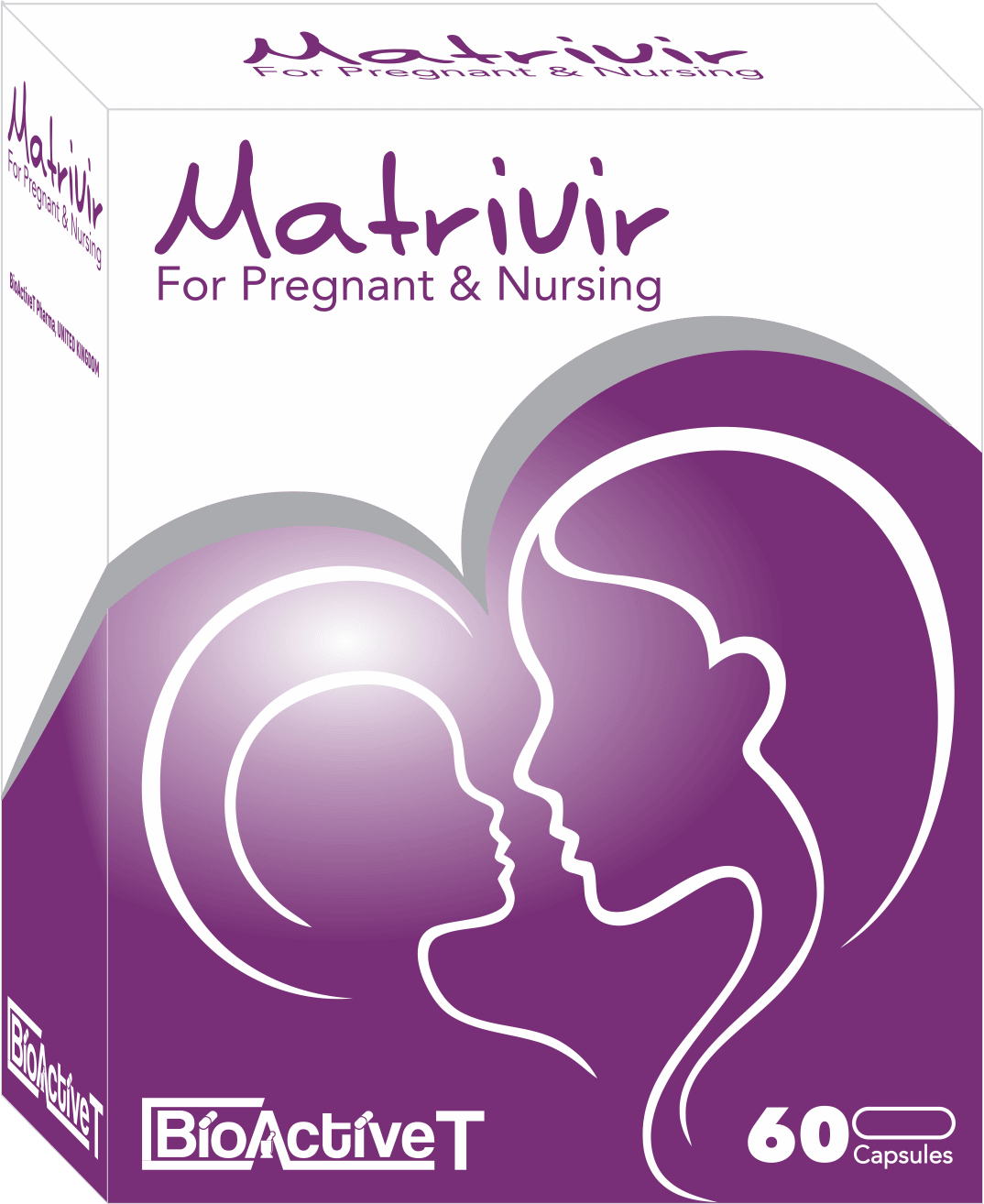
View our available products of Pregnancy and Breastfeeding below.
Take-home message.
The decision to breastfeed is a personal choice. Not everyone can or wants to breastfeed. Breastfeeding is just one way to provide proper nutrition to your baby in those important first months of their life.
To help you through the process, it’s important to get plenty of rest, eat a balanced diet, and stay hydrated. This will keep your milk supply robust and your energy high so you can maintain breastfeeding in the manner you want.
There are many ways to mentally and physically prepare for labor. Many hospitals offer birthing classes prior to delivery so that women may better understand the signs and stages of labor.
In your third trimester, you may want to prepare a hospital bag of toiletries, sleepwear, and other everyday essentials. This bag would be ready to take with you when labor begins. During the third trimester, you and your doctor should also discuss your labor and delivery plan in detail.
Knowing when to go to the birth setting, who’ll be assisting in the birth, and what role your doctor will play in the process can contribute to greater peace of mind as you enter those final weeks.
This article is for general education. It is not medical advice. Talk to a doctor or pharmacist about your specific situation.
Related BioActiveT products
Products from our range in Pregnancy & Breastfeeding.