Vitamins-Minerals
What are supplements, vitamins, minerals, and proprietary blends?
Take home message
What are supplements, vitamins, minerals, and proprietary blends?
Supplements are products that are taken by mouth and contain a “dietary ingredient,” such as vitamins, minerals, herbs and botanicals, amino acids, enzymes, probiotics, antioxidants, or other nutrients (1Trusted Source).
Available in numerous forms, including capsules, gummies, tinctures, powders, and liquids, dietary supplements are typically marketed as an easy and efficient way to boost your physical or mental health.
Other important definitions to understand when looking at supplements include (2Trusted Source, 3Trusted Source, 4Trusted Source):
- Vitamins. Vitamins are essential nutrients that your body needs to function properly and stay healthy. Many help regulate vital metabolic functions, including growth, nerve function, and digestion.
- Fat-soluble vitamins. These vitamins dissolve in fat and can be stored in your body. They include vitamins A, D, E, and K.
- Water-soluble vitamins. These vitamins dissolve in water and are not stored by the body. They include vitamin C and B vitamins.
- Minerals. Minerals are inorganic elements that are essential for specific bodily functions, such as growth, bone health, and fluid balance.
- Proprietary blend. A proprietary blend is a unique combination of ingredients that’s created by a supplement manufacturer. Oftentimes, it’s hard to tell from the label how much of each ingredient the blend contains.
For most healthy individuals, it’s possible to consume all the vitamins and minerals you need through diet alone. However, there are certain conditions, medications, and circumstances when supplements may be needed to meet nutritional needs.
Still, a key point to make when talking about dietary supplements is that they’re designed to supplement — not replace — nutrients or other compounds in your diet.
This means that even if you’re taking a supplement, it’s still important to consume a varied and balanced diet if possible.
Who needs supplements?
In general, taking vitamin and mineral supplements is not necessary for healthy adults with adequate intakes of these nutrients. While it’s preferred to get these essential nutrients through your diet, some may struggle to do so.
- women who are pregnant or breastfeeding
- exclusively or partially breastfed infants
- adults or children with diagnosed nutritional deficiencies
- individuals with conditions causing nutrient malabsorption
- those who have undergone bariatric surgery, such as gastric bypass
- adults or children with restricted access to foods
- some vegans and vegetarians
Some nutrient deficiencies are also more common, for example, vitamin D
Unlike other vitamins, it’s difficult to get enough vitamin D from your diet alone. While your body can make vitamin D from exposure to sunlight, it’s estimated that one billion people worldwide have low levels of this vitamin
Frequently wearing sunscreen, living far north or south of the equator, staying indoors, and having darker skin are all risk factors for being deficient in vitamin D
Furthermore, older adults may not be as effective at synthesizing vitamin D due to biological changes in the skin that naturally occur with age
As a result, vitamin D supplements are commonly recommended.
If you’re concerned about getting adequate vitamins and minerals from food alone, talk with your healthcare provider for personalized recommendations regarding the type of supplement you may need, as well as the appropriate dose.
Additionally, while prenatal vitamins are recommended during pregnancy and sometimes while breastfeeding, these populations should avoid herbal supplements unless a medical provider suggests otherwise.
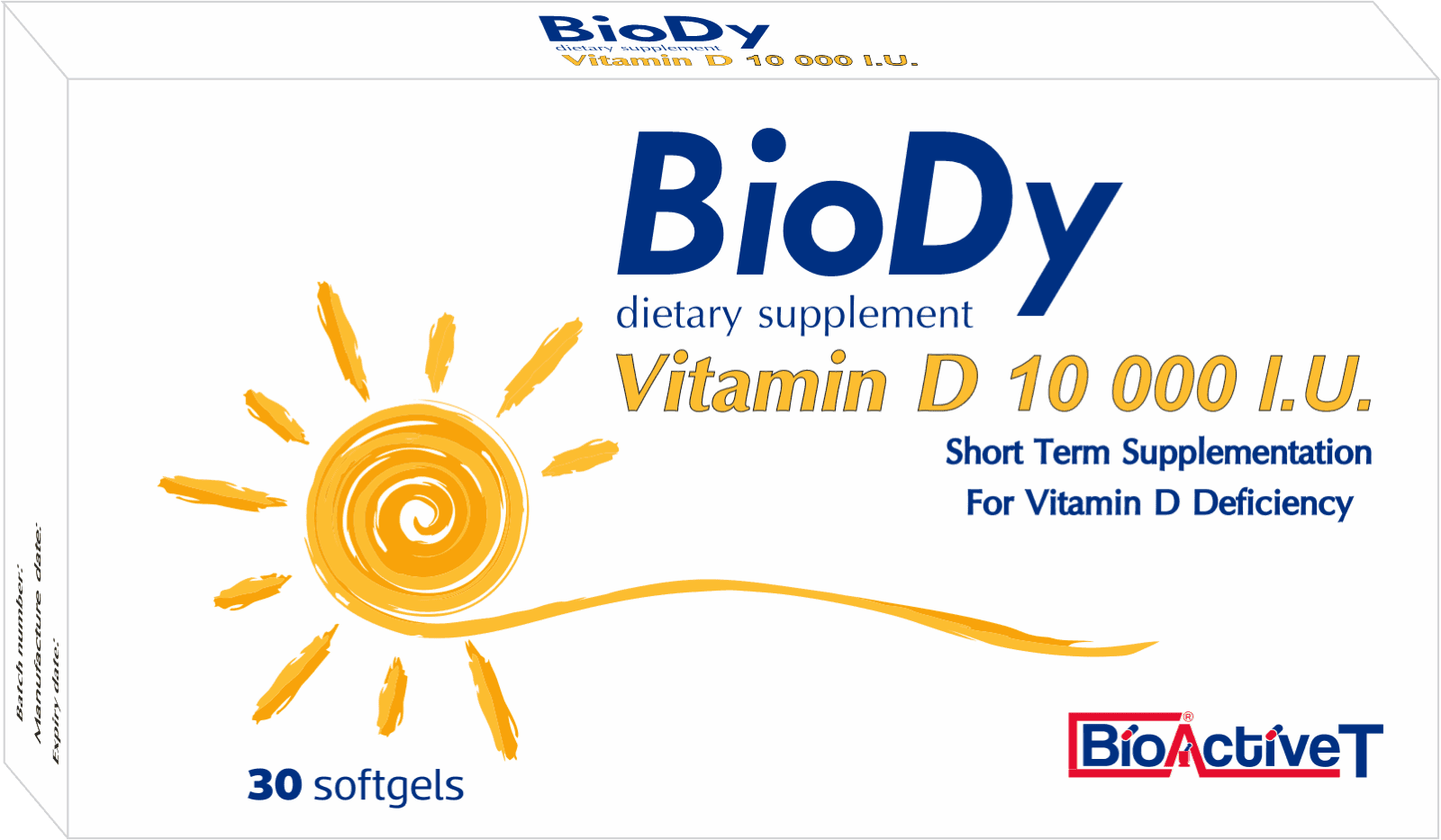
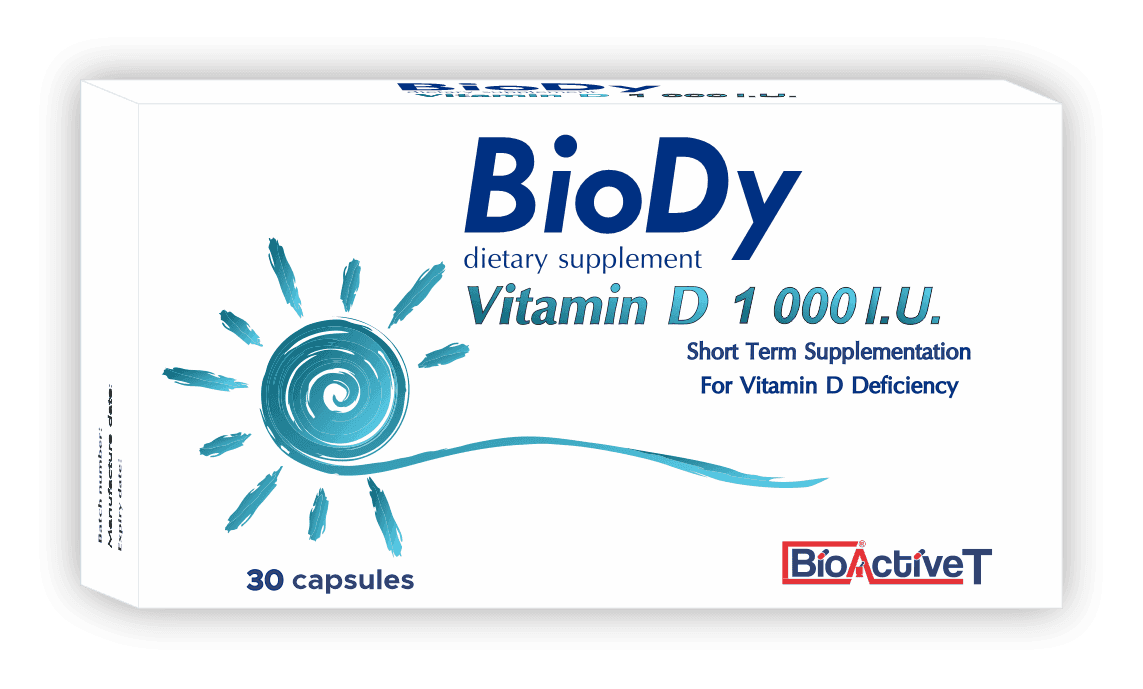
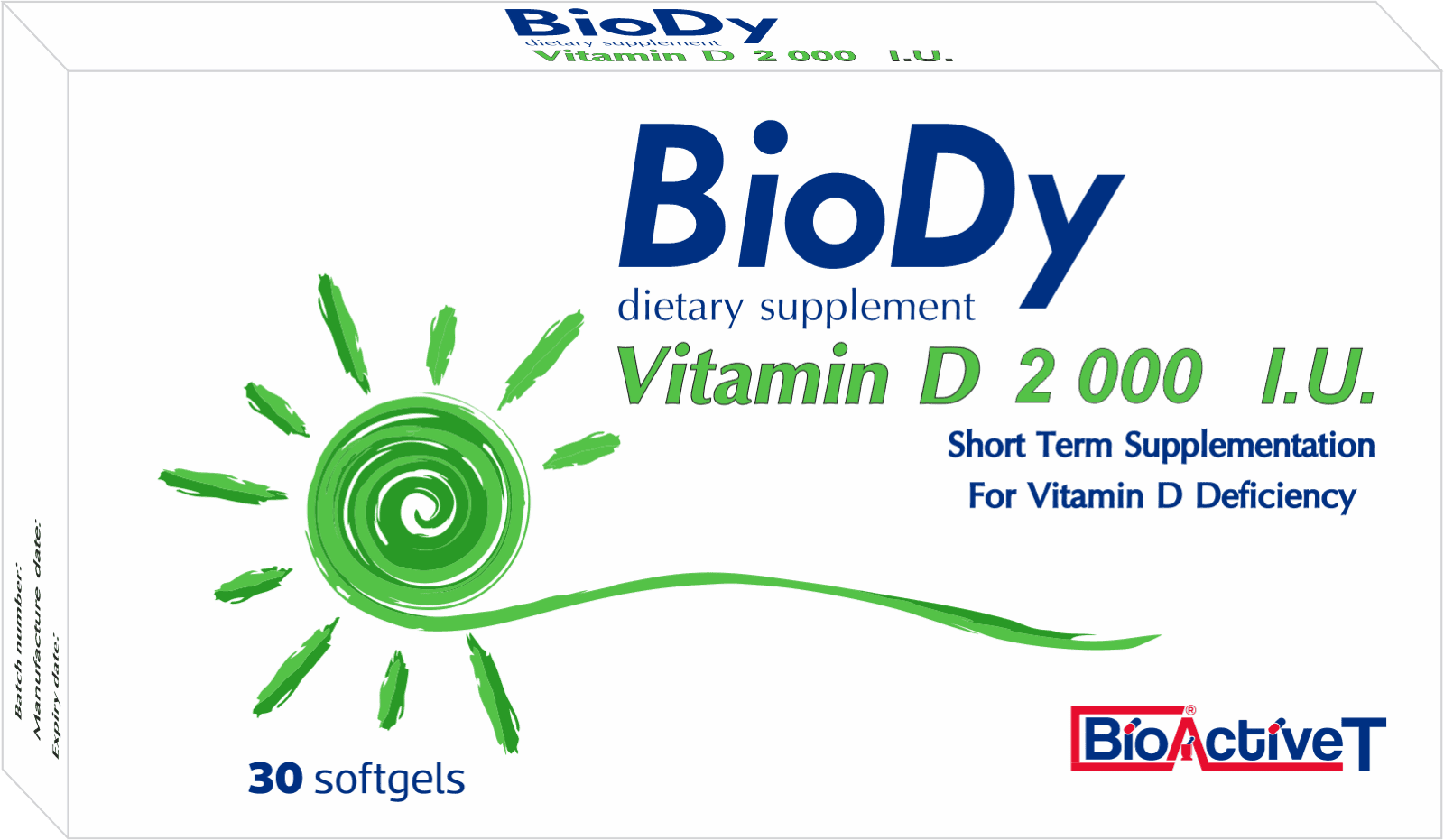
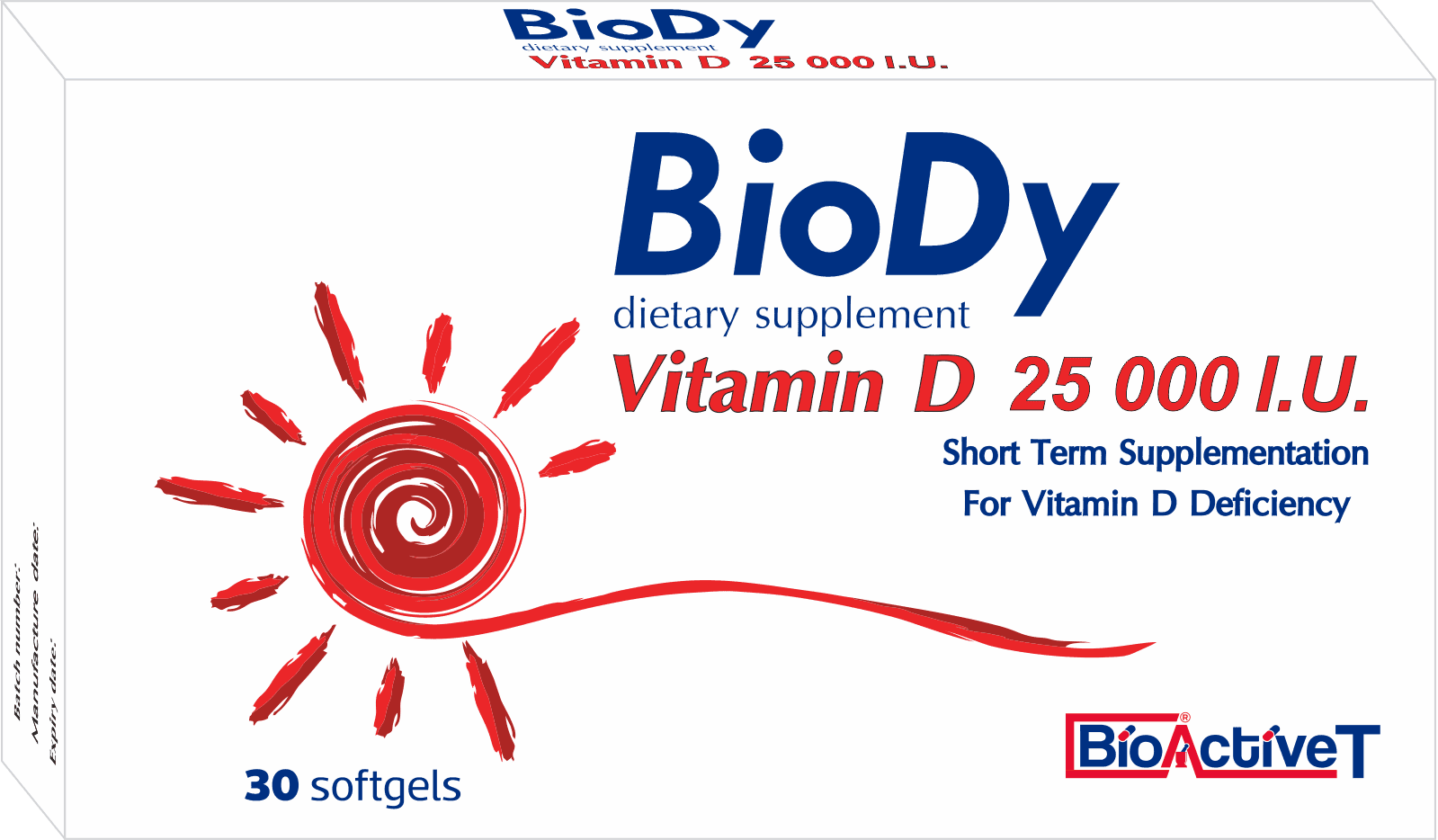
View our available products of Vitamins-minerals below.
Take home message
It’s recommended that healthy individuals primarily meet their nutritional needs through diet.
However, there are instances in which supplements may be indicated, such as nutrient deficiencies, conditions causing malabsorption, inadequate access to food, and certain life stages like pregnancy.
As supplements are subject to fairly limited regulation by the FDA, it can be confusing to figure out which supplements are safe and effective.
When shopping for vitamins and other supplements, look for products that have been third-party tested and contain safe levels of vitamins and minerals.
Due to potential interactions and safety concerns, always talk with your doctor before taking any vitamin or supplement product — especially if you’re pregnant, breastfeeding, taking any medications, or have or suspect that you have a medical condition.
This article is for general education. It is not medical advice. Talk to a doctor or pharmacist about your specific situation.
Related BioActiveT products
Products from our range in Vitamins & Minerals.